Efficient Wildlife Control: Your Complete Guide to Safe and Humane Animal Management
Successful wildlife regulation is vital for maintaining harmony between humans and animals. Many communities face issues such as vermin problems and garden damage. Managing these concerns requires a well-rounded strategy that emphasizes both safety and humane treatment. Understanding prevention methods and humane management strategies is of great importance. What are the best practices for ensuring coexistence without compromising safety? The following sections will explore practical solutions to achieve this delicate balance.
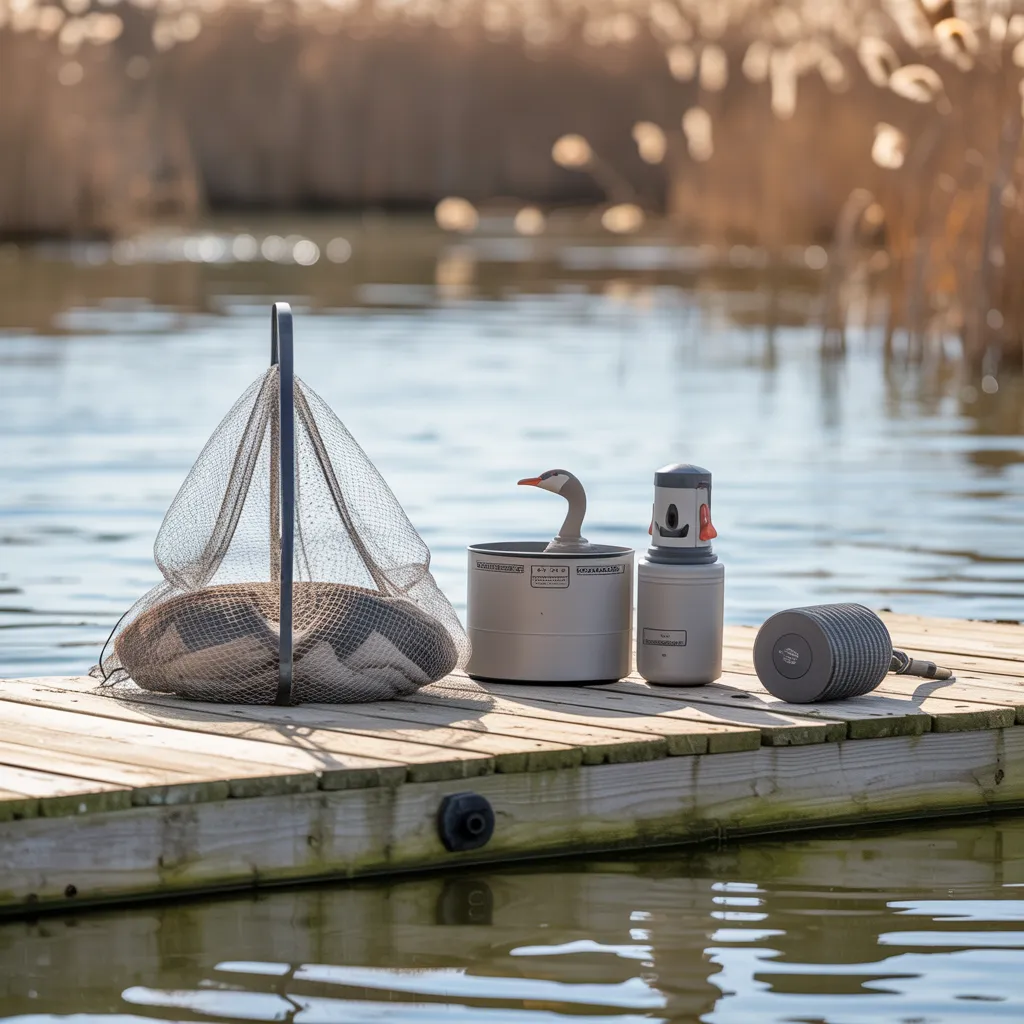
Common Wildlife Concerns You Might Deal With
Wildlife encounters may result in numerous problems for property owners and managers. Typical concerns encompass invasions of rodents, such as rodents like mice and rats, which can harm structures and spread illness. These animals may also enter attics and lower levels, causing structural harm and noise disturbances. In addition, deer often damage gardens and landscaping, while birds can create messes and noise in outdoor spaces.
In cities, wild animals may become progressively bold, digging through garbage bins and creating unsightly litter. Snakes can be a hazard in outdoor spaces, especially in regions home to venomous varieties. Creatures including raccoons and skunks may act aggressively when backed into a corner. The existence of such wildlife may result in safety hazards and emotional discomfort for homeowners. Understanding these challenges is essential for effective management and ensuring a safe living environment.
Leading Strategies to Prevent Wildlife Intrusions
Practical prevention methods can greatly reduce the risk of animal intrusions in neighborhoods. Residents should start by addressing potential access points, such as gaps in foundations, vents, and attics. Installing tight-fitting screens and sealing holes can deter animals from nesting. Additionally, keeping yards clean and free of food sources is essential; this includes storing garbage in animal-resistant containers and regularly clearing away fallen fruit or pet food. Garden planning also contributes; choosing native plants that hold less appeal for wildlife can minimize attraction. Setting up fencing can establish a physical deterrent, but they must be high and deeply set to prevent burrowing animals. Lastly, raising community awareness about wildlife habits helps promote forward-thinking solutions, allowing neighbors to collaborate in keeping wildlife away. By adopting these approaches, homeowners can successfully protect their homes from unwanted wildlife encounters.
How to Safely Trap and Relocate Wildlife
Capturing and moving wildlife demands meticulous planning and deliberation to guarantee the procedure is both humane and efficient. To begin, it is important to select appropriate traps designed specifically for the target species. These traps should be large enough to accommodate the animal while ensuring its safety and comfort. Placing the right food in the trap will enhance the probability of an effective capture.
When a trap has caught an animal, it is important to monitor the trap frequently to minimize stress and potential harm. Once the animal has been caught, swift relocation should take place to an area that offers adequate habitat and food sources, removed from populated human areas. Adhering to local regulations concerning the relocation of wildlife must be observed, as certain species may be protected or require special permits. In the end, ensuring a humane approach not only benefits the wildlife but also promotes harmony between human communities and the surrounding natural world.
Safe Techniques for Animal Deterrence
The humane relocation of wildlife frequently results in the need for reliable prevention techniques to keep animals away from human-inhabited areas. Several methods can be employed to discourage wildlife from reentering these spaces. The use of organic deterrents, such as potent odorous materials like garlic and vinegar or predator urine, can effectively create an unwelcoming environment. Additionally, structural deterrents, including fences and netting, help to limit entry into landscaped areas and other appealing locations.
Sound-based repellents, like motion-activated devices or ultrasonic repellers, can also be effective in scaring animals away. Moreover, maintaining a clean and clutter-free outdoor area reduces food sources, making the surroundings less inviting for animals. Planting specific vegetation that is unpalatable to local wildlife may additionally deter them from the area. Through the application of these ethical and non-harmful techniques, homeowners can establish a less attractive environment for animals, encouraging harmonious coexistence while safeguarding property and assets.
What Should You Do When You Find an Injured Animal
Upon discovering a wounded animal, it is important to initially evaluate the environment to find the optimal course of action. Evaluating the condition and surroundings of the animal can supply critical information. After this evaluation, reaching out to a wildlife rescue organization is critical for proper assistance and care.
Evaluate The Situation First
Coming across an injured animal can be a troubling encounter, so it is vital to evaluate the situation carefully before taking any action. First, the person should watch the animal from a distance, taking note of its condition and behavior. This helps determine whether the animal is genuinely hurt or just at rest. Subsequently, evaluating the environment is critical; identifying potential dangers, such as passing vehicles or hostile pets, can shape the course of action. It is essential to stay calm, as abrupt movements may frighten the animal and worsen its distress. Additionally, considering the time of day can influence the urgency of the situation; animals that are active at night may face greater risks after dark. Overall, a thorough evaluation lays the groundwork for appropriate intervention.
Contact A Wildlife Rescue
After finding an injured animal, contacting a wildlife rescue organization is a vital step in guaranteeing its safety and care. These organizations have the expertise and resources necessary to determine the animal's state and offer the necessary treatment. When you call, it is essential to share specific information, such as the animal's species, the location, and the extent of the injury. This data enables rescuers to respond appropriately. You should refrain from handling the injured animal unless it is absolutely necessary, as this can exacerbate its stress or injury. After making the call, people should watch the animal from a distance until assistance arrives, making sure the surroundings stay as calm as possible. Taking swift action can significantly improve the animal's chances of recovery.
Reliable Local Wildlife Control Resources You Can Count On
When dealing with wildlife issues, it is essential to be aware of reliable resources found in the community. Local wildlife organizations, governmental wildlife services, and pest control specialists can supply effective assistance and guidance. Knowing these options can help secure the greatest outcomes for wildlife and residents alike.
Community Wildlife Organizations
Wildlife community organizations act as essential resources for people looking for reliable wildlife control solutions. These groups commonly concentrate on education and advocacy, advancing ethical approaches to resolving wildlife issues. They provide valuable information on local species, their behaviors, and effective deterrents, assisting community members in selecting the right course of action. Many organizations also offer workshops, training sessions, and materials that highlight living alongside wildlife, building greater awareness of regional habitats. Additionally, they may facilitate community outreach programs, pairing community members with qualified wildlife handling professionals when required. By championing humane standards and neighborhood engagement, such organizations fulfill an important start now purpose in reconciling residential concerns with wildlife preservation, ensuring a harmonious coexistence.
State Wildlife Services
Government wildlife agencies function as a dependable solution for addressing conflicts between humans and wildlife efficiently. Such organizations are typically affiliated with federal or state governments, offering expert guidance and assistance to communities facing wildlife challenges. They employ qualified staff who are knowledgeable about wildlife behavior and local ecosystems, making sure that solutions are customized for individual circumstances. Available services can include habitat assessments, wildlife population management, and public education on coexistence practices. Through the use of compassionate techniques, government wildlife services prioritize the well-being of both animals and communities. They further work with local organizations to encourage sustainable practices and raise awareness about preserving local wildlife. For community members looking for help, these resources provide a dependable solution for resolving conflicts in a safe and responsible manner.
Expert Local Pest Control Services
Regional pest management professionals serve a vital function in managing wildlife challenges at a more regional level, working alongside government wildlife services. Such experts have expert understanding about area-specific environments and the distinct wildlife that may create problems in metropolitan and neighborhood areas. These experts specialize in compassionate techniques for animal control, emphasizing safety for both animals and humans. Additionally, regional professionals are knowledgeable about the rules and established protocols designed for their particular regions, guaranteeing adherence and results. By utilizing methods including physical barriers, habitat alteration, and wildlife-friendly deterrents, they work to reduce tensions between people and animals. Partnering with regional wildlife management professionals can lead to sustainable solutions that promote coexistence, thereby improving conditions for both wildlife and local residents.
Common Questions and Answers
What Are the Legal Requirements for Wildlife Control in My Area?
Legal regulations for wildlife control vary by jurisdiction. People are encouraged to reach out to local wildlife authorities or official government websites to gain a clear understanding of the specific rules surrounding trapping, relocation, and wildlife management in their region to guarantee compliance.
What Are the Best Ways to Educate My Kids About Wildlife Safety?
To inform children about wildlife safety, parents can facilitate conversations, utilize books and videos, arrange nature walks, and engage in role-play scenarios. These activities foster a sense of awareness and respect for wildlife, encouraging safe interactions with animals in their surroundings.
What Should I Do if My Pet Encounters Wildlife?
If a pet encounters wildlife, the owner should stay composed, leash the pet, and carefully back away without frightening the animal. It is essential to stay at a safe distance and refrain from any confrontation.
Do Natural Repellents Exist for Particular Animals?
Eco-friendly deterrents consist of citrus-based deterrents effective against cats, vinegar treatments to deter raccoons, and peppermint oil as a rodent deterrent. In addition, the combination of garlic and cayenne pepper effectively discourages numerous animals, delivering a green and sustainable strategy for addressing wildlife interactions.
What Are the Ways to Identify Different Wildlife Species in My Backyard?
To distinguish different wild creatures in a garden, it is important to examine physical characteristics, behavioral patterns, and vocalizations. Utilizing reference guides and smartphone apps can improve species identification, while observing seasonal variations can offer further insight to wildlife activity.